|
Some of the latest additions to our Roku channel, Classic Movie Vault. New titles added weekly. 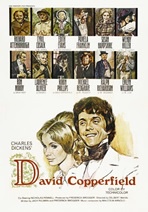 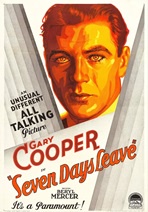 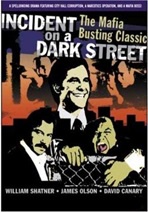 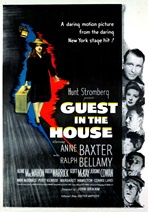 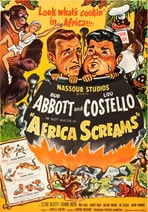 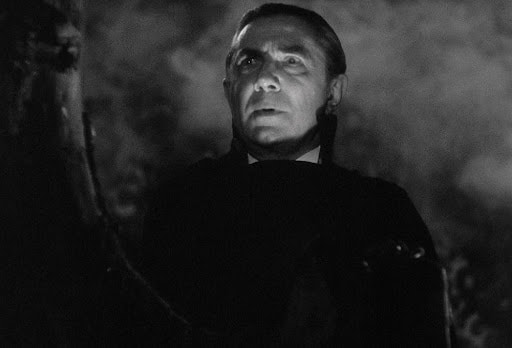 Return of the Vampire (1943) Directed by: Lew Landers Starring: Bela Lugosi, Frieda Inescort, Matt Willis By the early 1940s, Bela Lugosi’s cinematic career had already become inextricably linked to the undead. So, when Columbia Pictures released Return of the Vampire in 1943—a film that was not officially part of Universal’s Dracula canon but might as well have been—it offered audiences something of a resurrection, both for Lugosi’s most famous persona and for the gothic horror tradition itself. Directed by Lew Landers, the film opens in London during World War I, where a pair of scientists unknowingly destroy a vampire named Armand Tesla (Lugosi), only for him to be revived decades later amid the chaos of World War II. This blend of supernatural terror and wartime drama gives the picture a unique, slightly surreal flavor: foggy graveyards and air raid sirens coexist in a strange harmony of dread. Lugosi, of course, is the film’s magnetic center. His portrayal of Tesla (a thinly veiled Dracula substitute) is commanding, eloquent, and tinged with weary malevolence. Unlike some of his later roles that traded menace for camp, here Lugosi brings genuine gravitas to his scenes—his rolling voice and hypnotic gaze still work their old magic. His foil, Frieda Inescort as Lady Jane Ainsley, provides a rare example of a strong, intelligent female character in 1940s horror, standing as both scientist and moral adversary. The supporting cast features a particular highlight in Matt Willis as the vampire’s werewolf assistant, Andreas. His tragic struggle for redemption adds a surprising emotional layer, elevating the film beyond mere pulp. Though the werewolf makeup is modest by modern standards, Willis’s performance imbues the character with pathos and fear. Visually, Return of the Vampire benefits from tight direction and atmospheric cinematography. Columbia’s production values never quite matched Universal’s gothic grandeur, but the film compensates with strong pacing and sharp editing. At a brisk 70 minutes, it wastes no time—there’s a constant sense of eerie momentum from crypt to climax. If Return of the Vampire has a flaw, it’s that it too closely mirrors Dracula (1931) without the benefit of Tod Browning’s mythic atmosphere or the full power of Universal’s design. Yet that imitation is precisely its charm. This is a film made by people who loved the old formula enough to reanimate it under another studio’s banner—and with Lugosi at its center, that imitation becomes almost an act of devotion. Final Verdict: In the end, Return of the Vampire stands as one of Lugosi’s last great starring vehicles and a worthy continuation of the Dracula legacy in all but name. It is both nostalgic and confident—a haunting reminder that even outside his castle, Bela Lugosi could still reign supreme among the undead. Rating: ★★★★☆ (4 out of 5 stars) 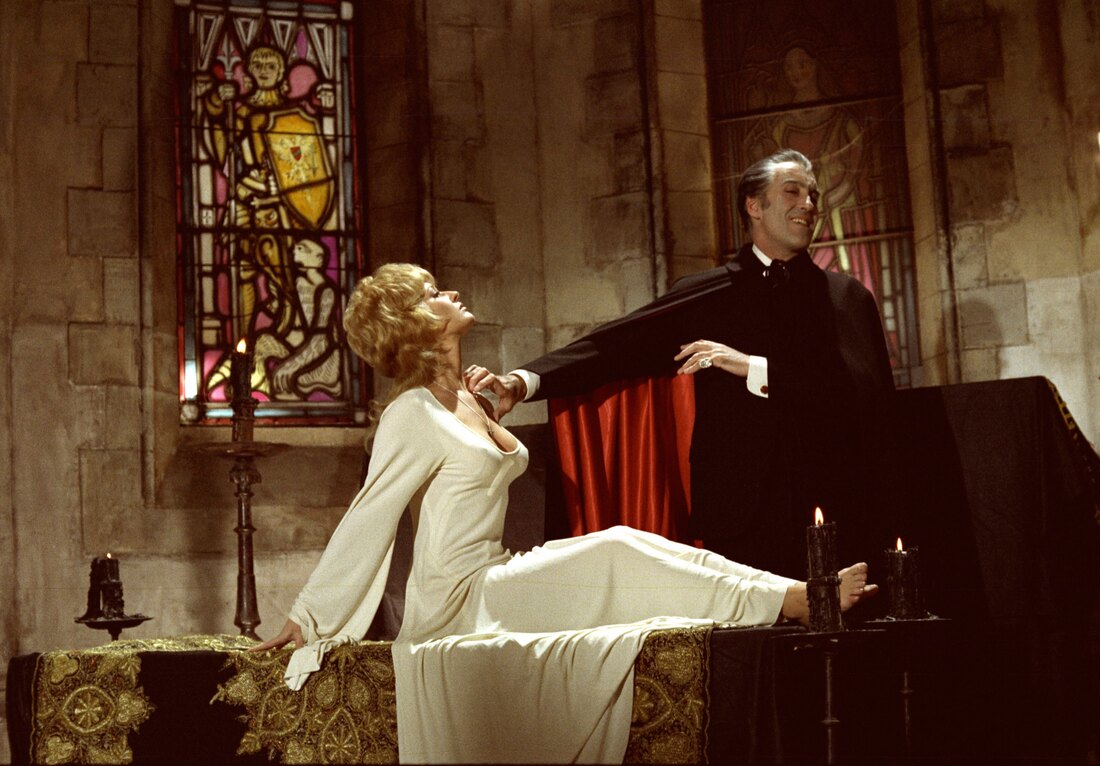 Movie Review: Dracula A.D. 1972 (1972) Directed by: Alan Gibson Starring: Christopher Lee, Peter Cushing, Stephanie Beacham, Christopher Neame By the early 1970s, Hammer Films found itself at a crossroads. The Gothic horror formula that had sustained the studio since Horror of Dracula (1958) was losing its grip on audiences drawn to the modern, more visceral horror of the era. Dracula A.D. 1972, directed by Alan Gibson and produced by Hammer stalwart Michael Carreras, stands as the studio’s bold attempt to breathe new life into its vampire saga—by dragging Count Dracula, fangs first, into swinging London. The film opens promisingly with a flashback to 1872, as Lawrence Van Helsing (Peter Cushing) and Count Dracula (Christopher Lee) engage in a thrilling carriage-top duel that ends in both their deaths—or so it seems. Fast forward a century, and London is now awash in mod culture, nightclubs, and disenchanted youth. Among them is Jessica Van Helsing (Stephanie Beacham), the great-great-granddaughter of the famous vampire hunter. Her friend Johnny Alucard (Christopher Neame)—whose name gives away his allegiance to anyone paying attention—lures her and her companions into a Satanic ritual that resurrects Dracula in a desanctified church. The film’s greatest asset remains the enduring presence of Christopher Lee and Peter Cushing. Though they share tragically little screen time together, their gravitas grounds the film’s more absurd conceit. Cushing’s Van Helsing, now a genteel academic battling not just evil but youthful skepticism, lends an air of dignity and continuity to the series. Lee, meanwhile, rises above some uninspired dialogue with his customary menace and icy authority; even when the material verges on camp, he never winks at the camera. Where Dracula A.D. 1972 falters is in its attempt to reconcile Hammer’s old-world atmosphere with modern trappings. The disco-era slang, psychedelic editing, and youth culture caricatures now feel dated in the most charmingly awkward way possible. Yet, the clash of styles also gives the film a curious energy. Don Sharp’s earlier Kiss of the Vampire and The Devil-Ship Pirates were lush and classically styled--Dracula A.D. 1972, by contrast, feels like Hammer trying to imitate A Clockwork Orange by way of Scooby-Doo. Still, beneath its period quirks lies an earnest attempt at reinvention. The film boasts some moody lighting, stylish production design, and a memorably eerie use of the abandoned church setting. Michael Vickers’ jazzy score, while jarringly out of place at times, contributes to the offbeat tone that makes the film strangely endearing today. While purists may lament the loss of Gothic grandeur, Dracula A.D. 1972 remains a fascinating cultural artifact—a snapshot of Hammer at its most self-conscious and experimental. It may not have restored Dracula to his former glory, but it gave him a curious new lease on (un)life, paving the way for the even more eccentric The Satanic Rites of Dracula the following year. Verdict: A flawed but entertaining oddity—part Gothic throwback, part groovy time capsule—that proves even in the age of bell-bottoms and amplifiers, Christopher Lee’s Dracula still casts one hell of a shadow. Rating: ★★★☆☆ (3/5 stars) 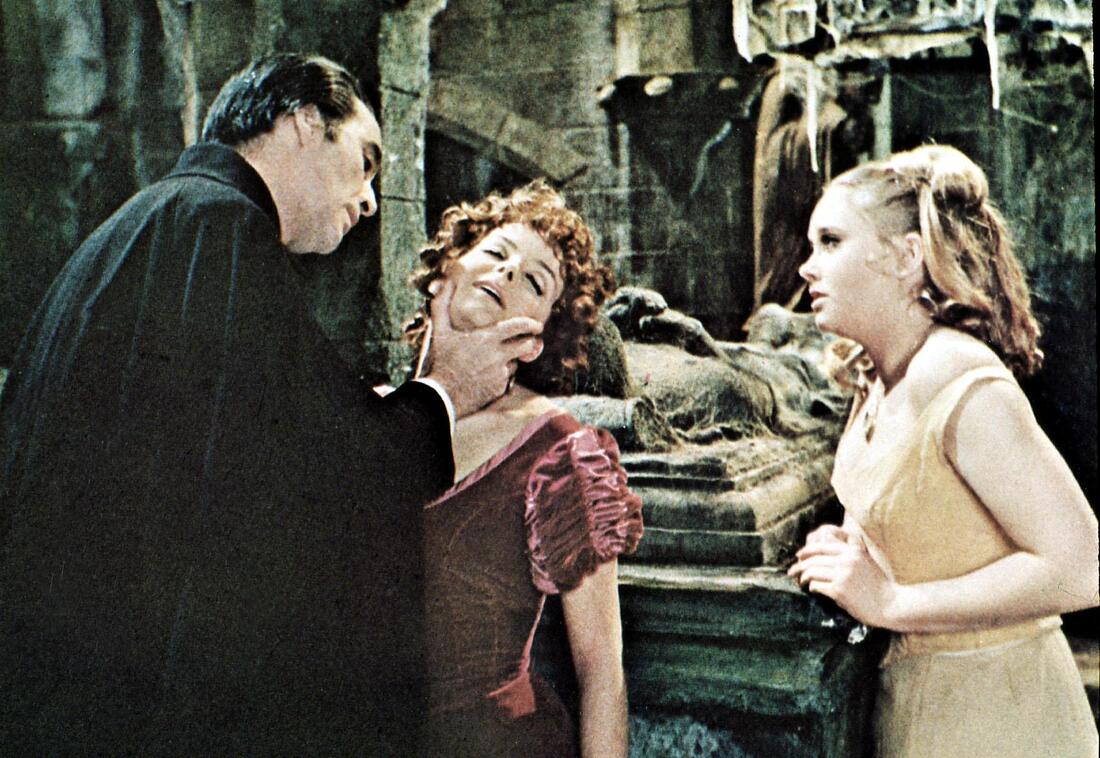 Movie Review: Taste the Blood of Dracula (1970)
Directed by: Peter Sasdy Starring: Christopher Lee, Ralph Bates, Linda Hayden By the dawn of the 1970s, Hammer Films was navigating the shifting landscape of horror cinema. Audiences were demanding more shock, more sensuality, and more modern darkness. Taste the Blood of Dracula—the fifth entry in Hammer’s Dracula series—arrived at that crossroads, marrying the studio’s gothic tradition with a newfound appetite for moral decay and sleaze. The result is a film that, while uneven, stands as one of the more interesting entries in the saga. The film opens with a striking premise: three respectable Victorian gentlemen, bored with their genteel hypocrisy, seek new thrills in the occult. They are lured by the debauched Lord Courtley (Ralph Bates), who promises a ritual unlike any other. The ceremony, involving the powdered blood of Count Dracula, leads to Courtley’s death—but his resurrection comes in the form of the Count himself (Christopher Lee), risen once more to exact vengeance on the trio and their families. It’s a clever twist, placing Dracula as a figure of retribution rather than mere predation. The true villains, at least initially, are the pompous moralists who indulge in sin only to recoil from its consequences. Director Peter Sasdy, in his Hammer debut, brings a more psychological and class-conscious touch to the familiar formula, making this less a monster movie and more a condemnation of hypocrisy in Victorian society. Christopher Lee, though reportedly frustrated with the minimal dialogue written for him, imbues Dracula with his customary gravitas. His presence dominates every scene he’s in, even though the Count doesn’t appear until nearly halfway through the picture. Bates, meanwhile, nearly steals the show with his short but flamboyant turn as Lord Courtley, a character who feels like a decadent echo of Hammer’s Dr. Jekyll and Rasputin archetypes. Visually, the film remains firmly within Hammer’s lush gothic aesthetic—cobwebbed churches, candlelit crypts, and bursts of crimson blood against velvet darkness. Yet it also hints at the studio’s coming stylistic shift: the violence is more overt, the eroticism more pronounced, and the moral line between the damned and the righteous increasingly blurred. If Taste the Blood of Dracula falters, it’s largely due to pacing and structure. The absence of Dracula for much of the first act, coupled with the moralistic subplots, makes the film feel fragmented. Still, when the Count finally emerges, the payoff is satisfying—especially in the haunting churchyard climax that ties Hammer’s themes of sin and punishment into a fittingly operatic conclusion. Verdict: While not as taut or iconic as Horror of Dracula (1958) or as delirious as Dracula A.D. 1972, this entry carves its own niche as an atmospheric and surprisingly mature meditation on corruption and guilt. Rating: ★★★☆☆ (3 out of 5 stars) 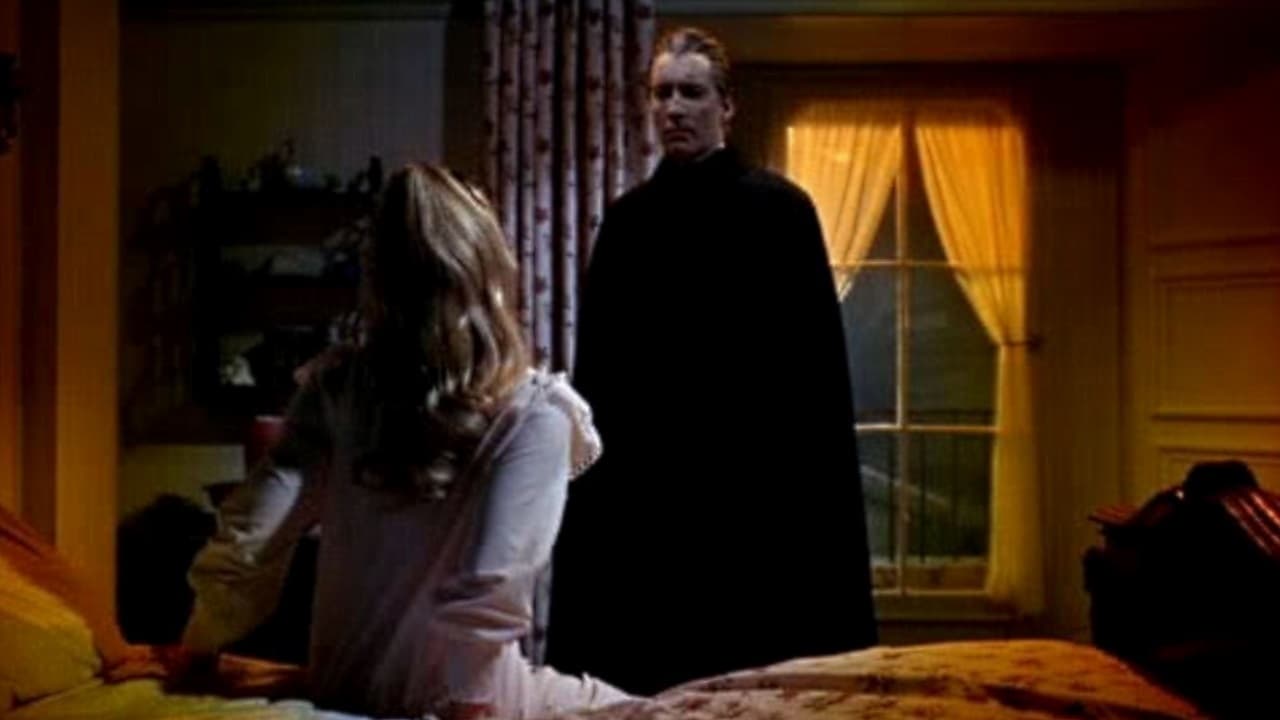 Movie Review: Dracula Has Risen from the Grave (1968) Directed by: Freddie Francis Starring: Christopher Lee, Rupert Davies, Veronica Carlson, Ewan Hooper By the late 1960s, Hammer Films had established itself as the reigning master of Gothic horror, and Dracula Has Risen from the Grave stands as one of the studio’s most visually striking efforts. Directed by Freddie Francis, this fourth entry in Hammer’s Dracula cycle (and the third starring Christopher Lee) brings fresh energy and color-saturated style to a formula that might have otherwise begun to show its age. The film opens with a chilling sequence in which a priest discovers the body of a young woman stuffed inside the church bell — a gruesome image that sets the tone for the eerie and almost dreamlike atmosphere that follows. When the local villagers believe their church to be cursed by Dracula’s lingering evil, the Monsignor (Rupert Davies) attempts to exorcise the site. Unfortunately, his efforts backfire: the Count, entombed beneath ice, is accidentally revived, and soon sets out to exact revenge—beginning with the Monsignor’s beautiful niece Maria (Veronica Carlson). Christopher Lee once again dominates the screen with his imposing presence and icy authority. Though his dialogue is limited, his physicality and hypnotic gaze convey more menace than words ever could. Lee’s Dracula here feels slightly more human than before—driven as much by wounded pride as bloodlust—which lends a certain tragic dignity to his evil. Veronica Carlson, in her debut for Hammer, makes a sympathetic and radiant heroine, while Barry Andrews provides an interesting contrast as her skeptical, unbelieving lover. The supporting cast—particularly Ewan Hooper as the tormented priest—adds dimension to the otherwise straightforward tale of good versus evil. Visually, Dracula Has Risen from the Grave is one of Hammer’s most beautiful productions. Freddie Francis, an Oscar-winning cinematographer before turning director, fills nearly every frame with rich reds and golden ambers, bathing the Gothic sets and mist-shrouded forests in painterly light. The film’s religious imagery—crucifixes, candles, and stained glass—gives it a symbolic resonance that goes beyond mere scares. While the story itself doesn’t break new ground and lacks the tighter pacing of Horror of Dracula (1958), the film compensates with atmosphere, intensity, and visual artistry. It also marks a turning point for the studio, bridging the classic Gothic horror of the ’50s with the more sensual and vivid style that would define Hammer in the 1970s. Final Verdict: Dracula Has Risen from the Grave is a lush, moody, and stylish entry in Hammer’s vampire saga. With Christopher Lee at his most commanding and Freddie Francis behind the camera, it remains a testament to the enduring power of Gothic horror. Rating: ★★★★☆ (4 out of 5 stars) 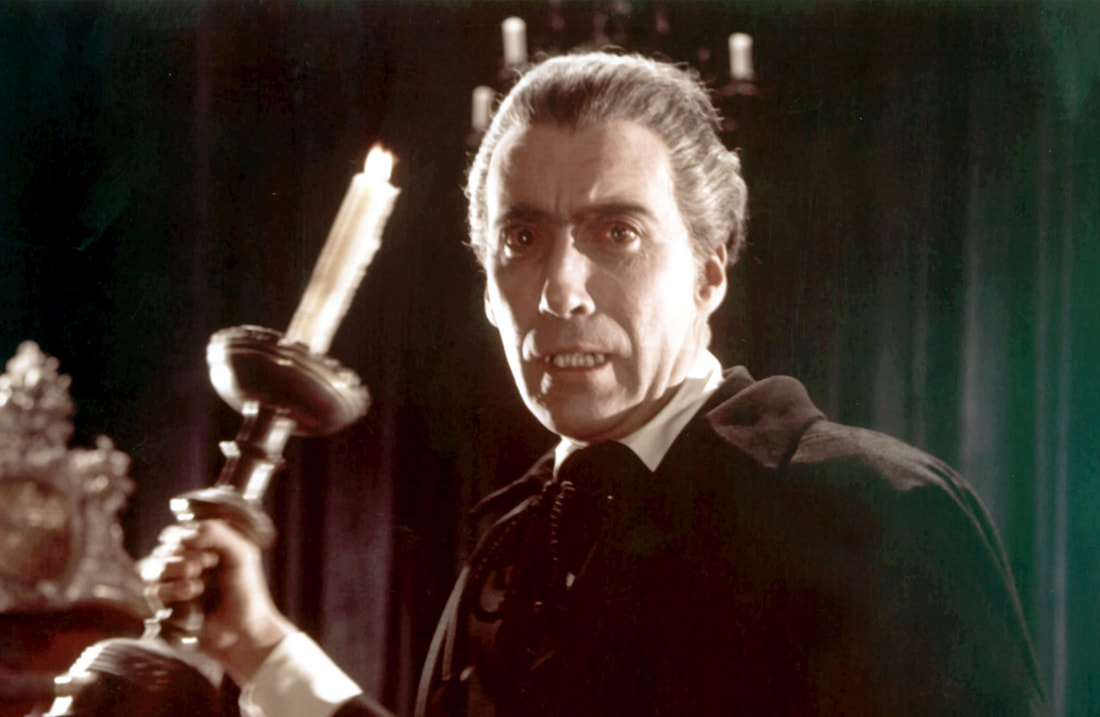 Just in time for Halloween. I'm going to be posting some horror movie reviews the next few weeks.
Movie Review: Horror of Dracula (1958) Directed by: Terence Fisher Starring: Christopher Lee, Peter Cushing, Michael Gough When Hammer Film Productions unleashed Horror of Dracula in 1958, it marked a bold and bloody rebirth of gothic horror. Directed by Terence Fisher and starring the incomparable duo of Peter Cushing and Christopher Lee, the film redefined Bram Stoker’s immortal tale for a new generation—one hungry for color, vitality, and a hint of sensual menace that Universal’s shadowy black-and-white classics could only suggest. From its opening moments, Fisher’s direction wastes no time establishing the tone: lurid color, ornate sets, and a lingering sense of dread that seeps through every candlelit corridor. Gone are the cobwebbed ruins and shuffling undead of earlier versions; Hammer’s Dracula moves with elegance and purpose. Christopher Lee’s Count, towering and aristocratic, is both magnetic and terrifying—a predator who cloaks his hunger beneath charm and poise. His sudden, feral outbursts of violence remain shocking even today, giving the film an immediacy that transcends its age. Opposite him, Peter Cushing delivers one of the definitive portrayals of Van Helsing. Intelligent, composed, and fiercely determined, his measured performance grounds the supernatural narrative in rationality. The chemistry between Lee and Cushing—predator and pursuer—is electric. Their final confrontation, staged with a masterful sense of tension and physicality, remains one of Hammer’s crowning achievements. James Bernard’s thunderous score amplifies the gothic atmosphere, while Jack Asher’s rich Technicolor cinematography transforms blood into a vivid, almost hypnotic scarlet. The film’s visual style was revolutionary for its time, establishing Hammer’s unmistakable signature: lush, sensual, and unmistakably British. While the story condenses Stoker’s novel considerably, the streamlined narrative heightens the drama and urgency. What it sacrifices in fidelity, it gains in momentum. Fisher’s direction ensures that each scene advances with purpose, never allowing the film’s 82-minute runtime to drag. Final Verdict: More than sixty years later, Horror of Dracula still casts a long shadow over the vampire genre. It is elegant yet feral, refined yet unapologetically visceral—a work that resurrected gothic horror and gave it a pulse again. For many, this remains the definitive Hammer horror film, and rightly so. Final Rating: ★★★★☆ (4 out of 5 stars) 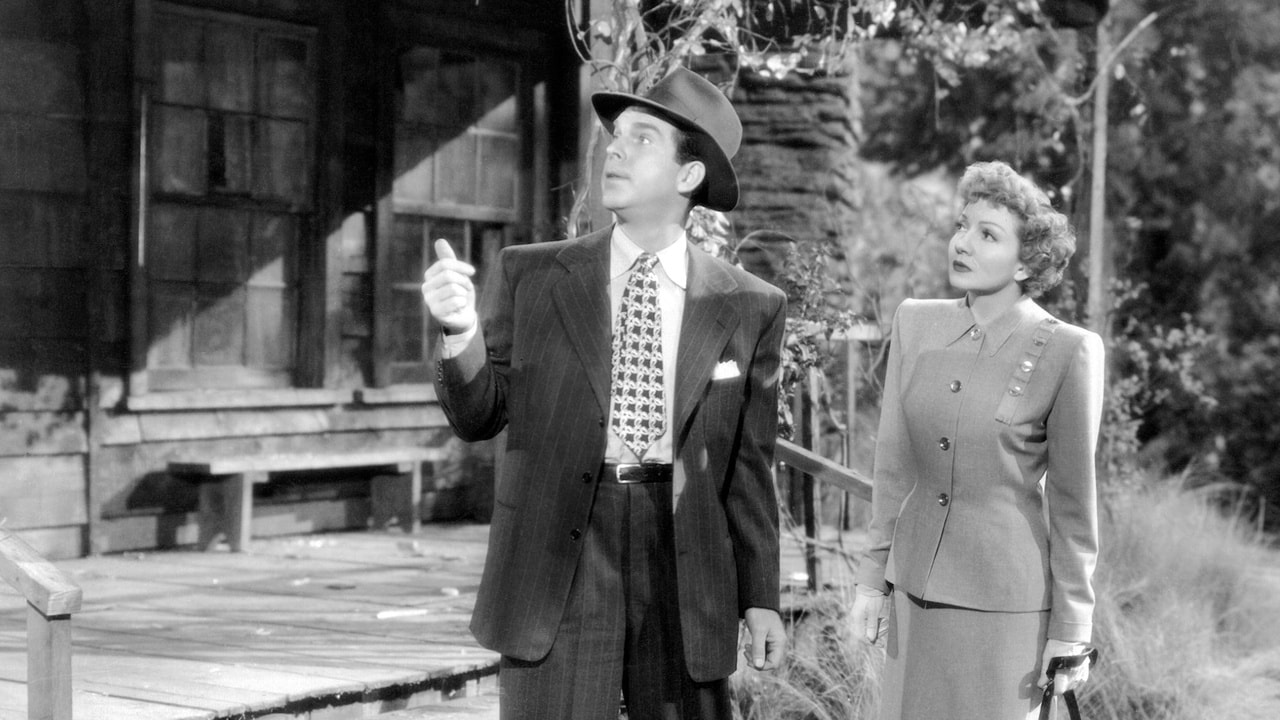 Movie Review: The Egg and I (1947)
Directed by: Chester Erskine Starring: Claudette Colbert, Fred MacMurray, Marjorie Main, Percy Kilbride Released in 1947, The Egg and I is a charming slice of postwar Americana that blends humor, heart, and a bit of chaos into a lighthearted domestic comedy. Based on Betty MacDonald’s best-selling semi-autobiographical book, the film tells the story of a newlywed couple who trade city life for the unpredictable challenges of running a chicken farm. Claudette Colbert stars as Betty MacDonald, the ever graceful and practical wife whose dreams of country living are quickly tested by mud, malfunctioning stoves, and hundreds of squawking hens. Fred MacMurray plays her husband, Bob, whose idealistic vision of rural life often clashes hilariously with reality. Together, they navigate floods, feisty farm animals, and eccentric neighbors — including the now-iconic Ma and Pa Kettle. Colbert and MacMurray, who had already proven their chemistry in several earlier comedies, bring warmth and believable friction to their roles. Colbert, in particular, shines with impeccable comedic timing and expressive reactions that make her both relatable and endearing. MacMurray plays the well-meaning dreamer with easy charm, balancing out Colbert’s exasperation. The real scene-stealers, though, are Marjorie Main and Percy Kilbride as Ma and Pa Kettle. Their rough-around-the-edges but lovable portrayals were such a hit that they spawned their own long-running film series — a testament to how well The Egg and I captured the public’s affection for small-town eccentrics. Main even earned an Academy Award nomination for Best Supporting Actress. Visually, the film benefits from its countryside setting and cheerful 1940s aesthetic, with Universal Pictures giving it a glossy production that matches its upbeat tone. The direction by Chester Erskine keeps the pacing lively, though some of the humor feels quaint by modern standards. Still, there’s a wholesome sincerity that gives The Egg and I it's staying power. While the film’s gender roles and marital dynamics reflect its era — sometimes to the frustration of modern audiences — it remains an engaging time capsule of postwar optimism and domestic comedy. Its blend of slapstick, romance, and gentle satire of “back-to-the-land” ideals makes it easy to see why audiences in 1947 flocked to see it. Verdict: The Egg and I is a delightful, feel-good comedy anchored by two of Hollywood’s most reliable stars and boosted by the unforgettable debut of Ma and Pa Kettle. It’s a film that still clucks along nicely after all these years — a nostalgic reminder that the grass (and the farm) isn’t always greener on the other side. Rating: ★★★☆☆ (3 out of 5 stars) |
Classic Movie VaultOur classic movie and tv show appsavailable for free on the Roku streaming platform. Categories |

 RSS Feed