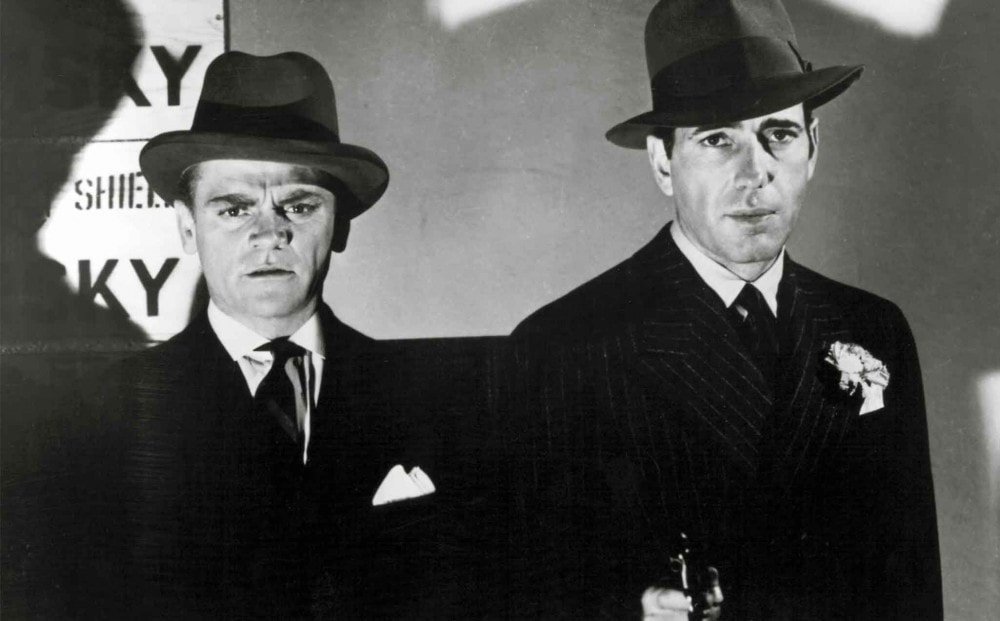
 Movie Review: The Roaring Twenties (1939)
Directed by: Raoul Walsh Starring: James Cagney, Humphrey Bogart, Priscilla Lane, Gladys George Raoul Walsh’s The Roaring Twenties is a gritty, stylish, and emotionally potent crime drama that stands as one of the greatest gangster films of the classic Hollywood era. Released in 1939—widely considered the golden year of cinema—the film is a masterclass in character-driven storytelling, with dynamic performances, sharp direction, and a haunting finale that cements its legacy. The film stars James Cagney as Eddie Bartlett, a World War I veteran who returns home to a struggling economy and few job prospects. Desperate, he turns to bootlegging during Prohibition and rises through the ranks of the underworld. At his side is George Hally, played with chilling confidence by Humphrey Bogart, a cold-blooded former soldier whose ruthless instincts make him a perfect foil to the more principled Eddie. Rounding out the cast is Priscilla Lane as Jean, the innocent young woman who captures Eddie’s heart, and Gladys George in a poignant performance as Panama Smith, a loyal speakeasy owner who watches Eddie's fall from grace with increasing sorrow. Cagney delivers one of his most iconic roles, capturing Eddie’s transformation from an idealistic everyman to a weary, disillusioned gangster. Bogart, still on the rise at the time, is quietly terrifying as Hally, and the chemistry between the two actors keeps the tension sharp throughout the film. Walsh’s direction is taut and energetic, moving briskly through the postwar years while never losing sight of the emotional core. Beyond the gunfights and shadowy speakeasies, The Roaring Twenties offers a powerful commentary on the American Dream and the disillusionment that followed the Great War. The script balances action and introspection, drawing on real historical events to give the narrative authenticity and weight. The film’s final scene—set on the cold steps of a church in the pouring rain—is one of the most memorable and tragic moments in gangster cinema, a poetic close to a story of ambition, loyalty, and loss. Final Verdict: The Roaring Twenties is a must-watch for fans of classic cinema. It's more than just a crime story—it's a portrait of a turbulent era and the men it shaped. With brilliant performances and a timeless story, this film earns a full five stars. Rating: ⭐️⭐️⭐️⭐️⭐️ (5/5 stars)
0 Comments
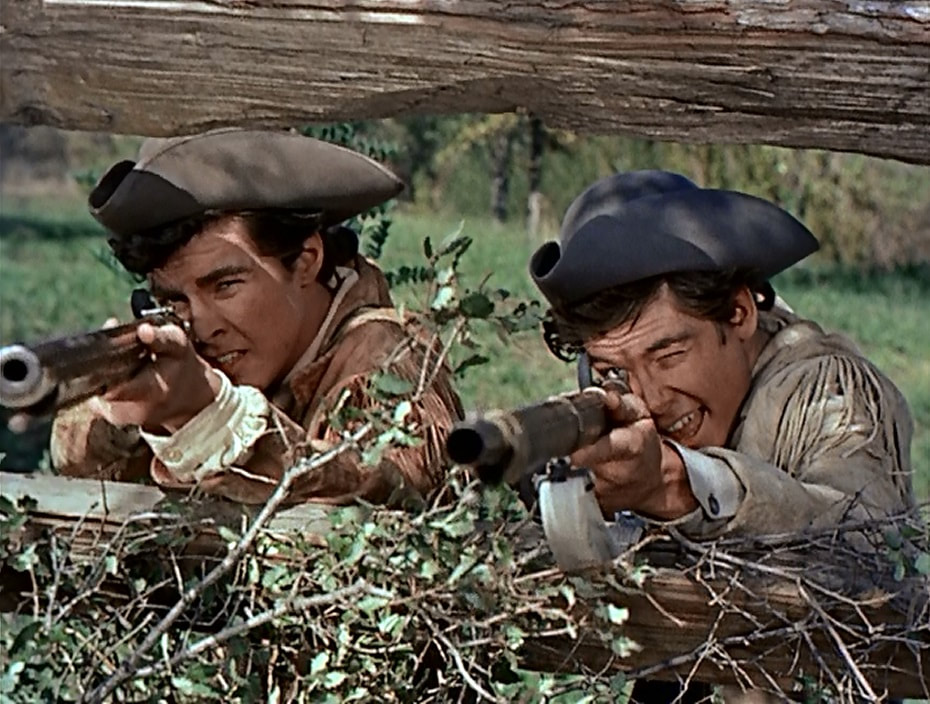 Movie Review: Johnny Tremain (1957)
Directed by: Robert Stevenson Starring: Hal Stalmaster, Luana Patten, Jeff York, Sebastian Cabot Disney’s Johnny Tremain, released in 1957 and adapted from Esther Forbes’ Newbery Medal-winning novel, offers a rousing glimpse into the early days of the American Revolution through the eyes of an unlikely hero. Set against the bustling backdrop of colonial Boston, the film follows young silversmith apprentice Johnny Tremain (played by Hal Stalmaster), whose life takes a dramatic turn after a crippling accident forces him out of his trade. With his world upended, Johnny finds himself swept into the revolutionary fervor of the Sons of Liberty, joining figures like Paul Revere and James Otis as they rally against British rule. The film skillfully blends historical events—such as the Boston Tea Party and the Battle of Lexington—with Johnny’s coming-of-age story, making history feel both personal and immediate. Director Robert Stevenson keeps the narrative brisk and family-friendly, and although the film occasionally simplifies the complexities of the era, its sincerity and enthusiasm shine through. Stalmaster’s performance is earnest, capturing Johnny’s transformation from a proud, sometimes arrogant boy into a committed young patriot. Supporting characters, especially Luana Patten as Priscilla Lapham and Walter Sande as Paul Revere, bring warmth and color to the story. Visually, the film benefits from Disney’s polished production design, with period costumes and colonial settings lending authenticity. The musical score, peppered with patriotic tunes, complements the action without overwhelming it. While it may feel dated in some of its performances and pacing, Johnny Tremain remains an engaging introduction to early American history for younger viewers. It succeeds as both entertainment and educational fare, capturing the spirit of rebellion and the birth of a nation through the eyes of an everyman hero. Final Verdict: A charming, idealistic, and educational adventure that brings Revolutionary Boston to life, perfect for families and history buffs alike. Rating: ★★★★☆ (4 out of 5 stars) 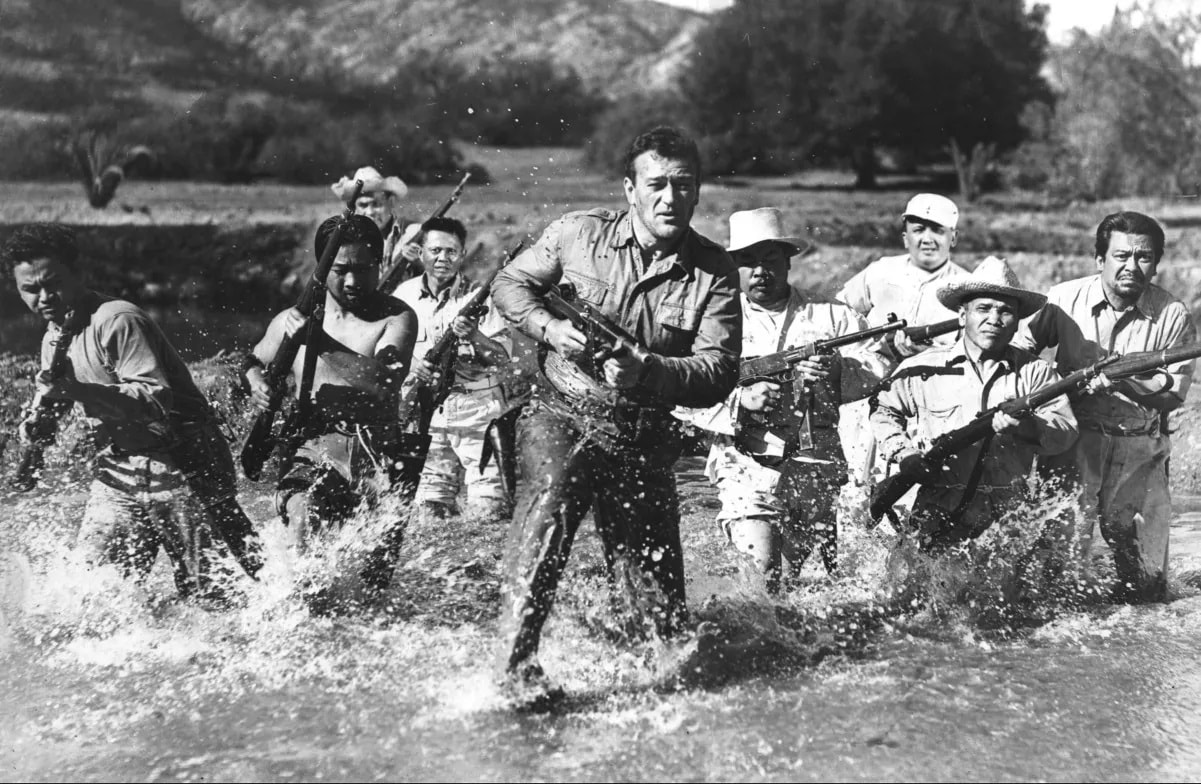 Movie Review: Back to Bataan (1945)
Directed by: Edward Dmytryk Starring: John Wayne, Anthony Quinn, Beulah Bondi Back to Bataan is a stirring World War II action-drama that combines wartime patriotism with gripping Hollywood storytelling. Released near the end of the war in 1945, the film was designed to honor the courage of Filipino resistance fighters and reinforce American morale—and it largely succeeds on both fronts. John Wayne brings his usual stoic presence as Colonel Joseph Madden, an American officer leading a guerrilla campaign against Japanese forces in the Philippines. Opposite him, Anthony Quinn delivers a passionate performance as Captain Andrés Bonifacio, a key figure in the resistance and grandson of a national hero. Together, their characters represent a strong alliance between the U.S. and Filipino fighters. Director Edward Dmytryk keeps the momentum moving with intense action scenes, acts of sabotage, and emotional moments of sacrifice. Though the script sometimes dips into wartime melodrama and the portrayal of the Japanese enemy is one-dimensional, the film’s sincerity and energy carry it through. The inclusion of real wartime footage in the finale gives the film added impact, grounding its fictional elements in the reality of the Pacific Theater. While not a subtle film, Back to Bataan is a heartfelt tribute to valor and endurance during one of history’s darkest chapters. Final Verdict: A spirited and emotional war film anchored by strong performances and patriotic themes. Though dated in places, its message of unity and resistance still resonates. Rating: ★★★☆☆ (3 out of 5 stars) 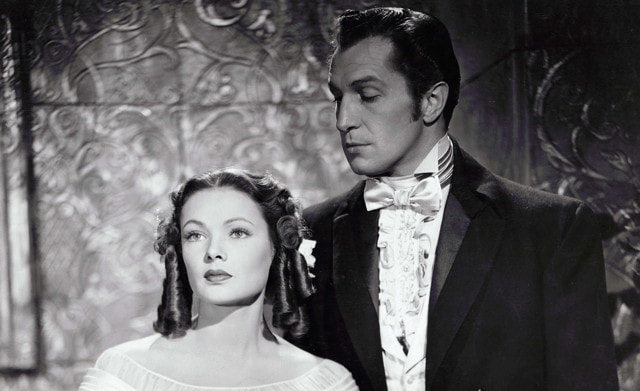 Movie Review: Dragonwyck (1946)
Directed by: Joseph L. Mankiewicz Starring: Vincent Price, Gene Tierney, Walter Huston, Glenn Langan Dragonwyck is a moody, atmospheric Gothic drama that weaves romance, mystery, and psychological tension into a brooding 19th-century tale of innocence corrupted by wealth and power. Directed by Joseph L. Mankiewicz in his directorial debut and based on the novel by Anya Seton, the film stands out as a stylish example of Hollywood’s fascination with dark, aristocratic melodramas. Gene Tierney stars as Miranda Wells, a wide-eyed farm girl from Connecticut who is summoned to the imposing Hudson Valley estate of Dragonwyck by her distant cousin, the enigmatic Nicholas Van Ryn, played with cold charisma by Vincent Price. Initially hired to be a companion to Van Ryn’s daughter, Miranda soon finds herself drawn into a world of opulence, secrets, and growing danger. Vincent Price, in one of his earliest major dramatic roles, is fascinating to watch. His Nicholas Van Ryn is equal parts charming and sinister—a tormented aristocrat obsessed with control, legacy, and his own fading sense of superiority. The seeds of the horror icon Price would later become are all here, and his performance gives the film a chilling gravitas. Gene Tierney, luminous and poised, plays Miranda with grace and conviction, convincingly evolving from naïve idealist to a woman forced to confront the darkness around—and within—her. The supporting cast, including Walter Huston as Miranda’s stern, pious father and Glenn Langan as a decent local doctor, offer grounded contrasts to the decadent world of Dragonwyck. Mankiewicz’s direction is assured, emphasizing atmosphere over action. He makes excellent use of shadows, candlelight, and the towering, almost oppressive set design of the Dragonwyck mansion to create a sense of claustrophobic menace. Alfred Newman’s haunting score adds to the film’s moody, operatic tone. Themes of class conflict, religious piety, and patriarchal power run throughout the story, giving it more depth than a typical period romance. Van Ryn’s decaying aristocracy, rooted in Dutch patroonship, becomes a symbol of tyranny and moral decay, while Miranda represents the new, democratic spirit of America. Though the pacing lags in parts and some elements veer toward melodrama, Dragonwyck succeeds as a visually rich and emotionally intense Gothic tale. Fans of classic Hollywood, Gothic fiction, or early Vincent Price performances will find much to admire. Final Verdict: A beautifully crafted Gothic drama filled with eerie atmosphere, compelling performances, and a slow-burning descent into madness. Vincent Price shines in a role that foreshadows his legendary career in horror. Rating: ★★★★☆ (4 out of 5 stars) |
Classic Movie VaultOur classic movie and tv show appsavailable for free on the Roku streaming platform. Categories |

 RSS Feed