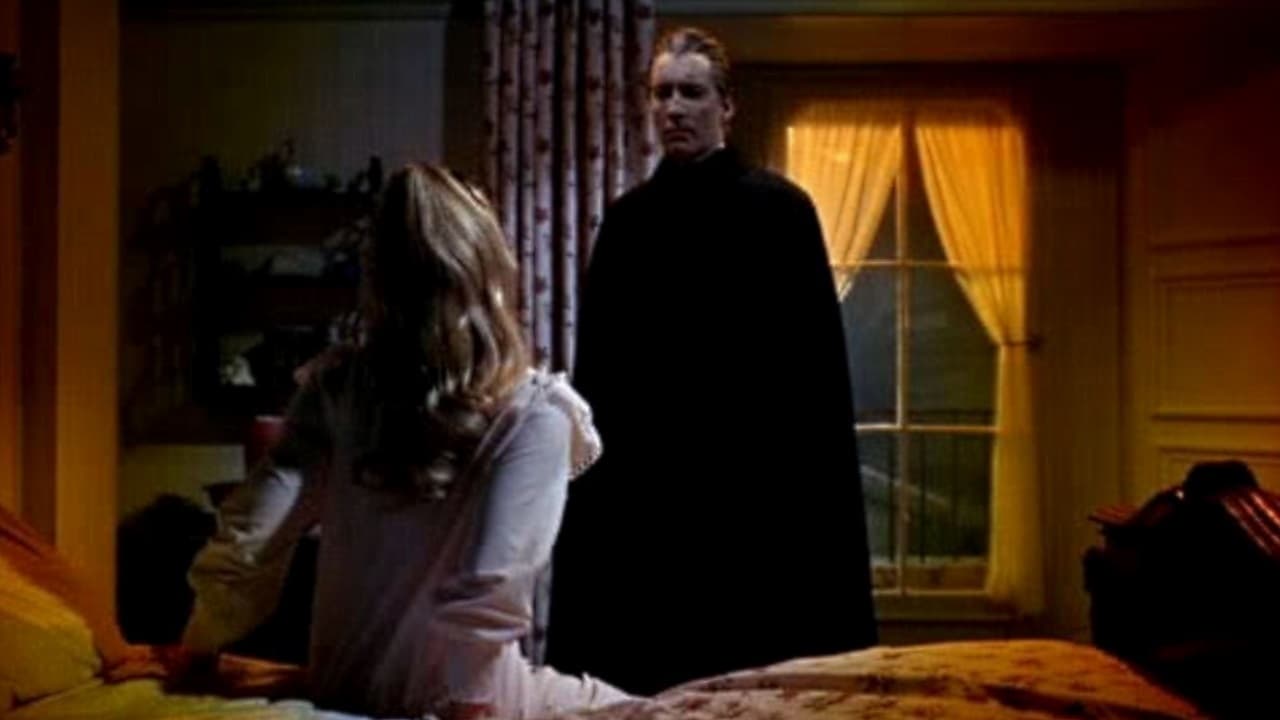
 Movie Review: Dracula Has Risen from the Grave (1968) Directed by: Freddie Francis Starring: Christopher Lee, Rupert Davies, Veronica Carlson, Ewan Hooper By the late 1960s, Hammer Films had established itself as the reigning master of Gothic horror, and Dracula Has Risen from the Grave stands as one of the studio’s most visually striking efforts. Directed by Freddie Francis, this fourth entry in Hammer’s Dracula cycle (and the third starring Christopher Lee) brings fresh energy and color-saturated style to a formula that might have otherwise begun to show its age. The film opens with a chilling sequence in which a priest discovers the body of a young woman stuffed inside the church bell — a gruesome image that sets the tone for the eerie and almost dreamlike atmosphere that follows. When the local villagers believe their church to be cursed by Dracula’s lingering evil, the Monsignor (Rupert Davies) attempts to exorcise the site. Unfortunately, his efforts backfire: the Count, entombed beneath ice, is accidentally revived, and soon sets out to exact revenge—beginning with the Monsignor’s beautiful niece Maria (Veronica Carlson). Christopher Lee once again dominates the screen with his imposing presence and icy authority. Though his dialogue is limited, his physicality and hypnotic gaze convey more menace than words ever could. Lee’s Dracula here feels slightly more human than before—driven as much by wounded pride as bloodlust—which lends a certain tragic dignity to his evil. Veronica Carlson, in her debut for Hammer, makes a sympathetic and radiant heroine, while Barry Andrews provides an interesting contrast as her skeptical, unbelieving lover. The supporting cast—particularly Ewan Hooper as the tormented priest—adds dimension to the otherwise straightforward tale of good versus evil. Visually, Dracula Has Risen from the Grave is one of Hammer’s most beautiful productions. Freddie Francis, an Oscar-winning cinematographer before turning director, fills nearly every frame with rich reds and golden ambers, bathing the Gothic sets and mist-shrouded forests in painterly light. The film’s religious imagery—crucifixes, candles, and stained glass—gives it a symbolic resonance that goes beyond mere scares. While the story itself doesn’t break new ground and lacks the tighter pacing of Horror of Dracula (1958), the film compensates with atmosphere, intensity, and visual artistry. It also marks a turning point for the studio, bridging the classic Gothic horror of the ’50s with the more sensual and vivid style that would define Hammer in the 1970s. Final Verdict: Dracula Has Risen from the Grave is a lush, moody, and stylish entry in Hammer’s vampire saga. With Christopher Lee at his most commanding and Freddie Francis behind the camera, it remains a testament to the enduring power of Gothic horror. Rating: ★★★★☆ (4 out of 5 stars)
0 Comments
Leave a Reply. |
Classic Movie VaultOur classic movie and tv show appsavailable for free on the Roku streaming platform. Categories |

 RSS Feed