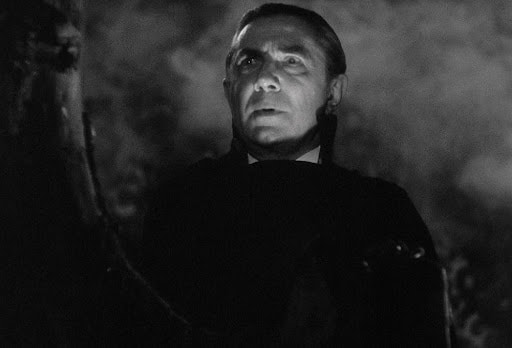
 Return of the Vampire (1943) Directed by: Lew Landers Starring: Bela Lugosi, Frieda Inescort, Matt Willis By the early 1940s, Bela Lugosi’s cinematic career had already become inextricably linked to the undead. So, when Columbia Pictures released Return of the Vampire in 1943—a film that was not officially part of Universal’s Dracula canon but might as well have been—it offered audiences something of a resurrection, both for Lugosi’s most famous persona and for the gothic horror tradition itself. Directed by Lew Landers, the film opens in London during World War I, where a pair of scientists unknowingly destroy a vampire named Armand Tesla (Lugosi), only for him to be revived decades later amid the chaos of World War II. This blend of supernatural terror and wartime drama gives the picture a unique, slightly surreal flavor: foggy graveyards and air raid sirens coexist in a strange harmony of dread. Lugosi, of course, is the film’s magnetic center. His portrayal of Tesla (a thinly veiled Dracula substitute) is commanding, eloquent, and tinged with weary malevolence. Unlike some of his later roles that traded menace for camp, here Lugosi brings genuine gravitas to his scenes—his rolling voice and hypnotic gaze still work their old magic. His foil, Frieda Inescort as Lady Jane Ainsley, provides a rare example of a strong, intelligent female character in 1940s horror, standing as both scientist and moral adversary. The supporting cast features a particular highlight in Matt Willis as the vampire’s werewolf assistant, Andreas. His tragic struggle for redemption adds a surprising emotional layer, elevating the film beyond mere pulp. Though the werewolf makeup is modest by modern standards, Willis’s performance imbues the character with pathos and fear. Visually, Return of the Vampire benefits from tight direction and atmospheric cinematography. Columbia’s production values never quite matched Universal’s gothic grandeur, but the film compensates with strong pacing and sharp editing. At a brisk 70 minutes, it wastes no time—there’s a constant sense of eerie momentum from crypt to climax. If Return of the Vampire has a flaw, it’s that it too closely mirrors Dracula (1931) without the benefit of Tod Browning’s mythic atmosphere or the full power of Universal’s design. Yet that imitation is precisely its charm. This is a film made by people who loved the old formula enough to reanimate it under another studio’s banner—and with Lugosi at its center, that imitation becomes almost an act of devotion. Final Verdict: In the end, Return of the Vampire stands as one of Lugosi’s last great starring vehicles and a worthy continuation of the Dracula legacy in all but name. It is both nostalgic and confident—a haunting reminder that even outside his castle, Bela Lugosi could still reign supreme among the undead. Rating: ★★★★☆ (4 out of 5 stars)
0 Comments
Leave a Reply. |
Classic Movie VaultOur classic movie and tv show appsavailable for free on the Roku streaming platform. Categories |

 RSS Feed